Fieldtest: Production and processing of Geopolymer Concrete 07/07/2018 You will see that producing geopolymer concrete… …is not really different from what we are used to. You will find the concreting process to be pretty similar too. That the durability of GPC’s is often regarded to be superior to ‘traditional’ concretes. That the planet may probably benefit… …once we start using more locally available and eco-friendly materials. As a contractor we participate in this field test because we think… …geopolymer concrete provides us with a competitive edge. We see that environmental impact indicators… …are becoming more important to the success rate in every tender. It also helps to alleviate the planet’s burden… …by reducing CO2-emmissions.

It is about listening to what society demands. It is a new type of structural concrete, at least to this part of the world. The basic chemistry is already 110 years old and all it needed… …was some brushing up, because it provides… …certain properties which are suddenly highly appreciated. We are making our products and services more sustainable. Our clients increasingly demand concretes with a reduced CO2-footprint. Simply because they’ve heard that up to 8% of all human-induced CO2-emissions… …are said to originate from the production of cement.
Geopolymer concrete also works fine with recycled aggregates… …thereby reducing necessity of extraction of natural resources. We foresee great opportunities for developing countries… …knowing that the demand for concrete still increases… …in conjunction with increased demand for infrastructure and affordable housing. GPC permits using more locally available resources… …like locally available gravel, sand and water… …even when it’s not the best clean quality. Together with Mobilis (contractor) and Jansen Beton (RMC-supplier)… …we are doing a big field test by making batches of 8 cubic meters of geopolymer. We are going to show one can manage production, workability retainment and so on.
We keep the fresh concrete agitating for at least 30 min inside the truckmixer… …to simulate for transport before showing a flawless discharge into the formwork. Fresh concrete should never undergo premature setting due to adverse weather conditions. For today ambient temperatures are said to reach at least 27 °C (80 F)… …so if we don’t encounter any trouble in these temperatures… …we’re confident that we can manage milder conditions. First field test in a non-adjusted RMC batch plant using recycled aggregates… …producing in a non-adjusted manner 8m3 of GPC for reinforced structural elements. I manage my part of the production process and we all jointly assess our findings. Traditional cement is taken out and Geopolymer as its replacement is put in. That may seem a little scary, but actually it is not. Among the set of activators, a Sodium Silicate is used… …which indeed must not be touched with bare hands But once mixed-in, the corrosive nature quickly turns to… …manageable proportions once it is properly dispersed into the fresh concrete.. It will then be comparably corrosive to many ‘traditional’ concretes.
 In either case you will ALWAYS need to wear PPEs like hard hat, protective gloves and goggles. It is basically line handling any other ‘traditional’ concrete. Behind me you see the second part of the test. In the first part we’ve used virgin aggregates. In the second part we are using recycled aggregates. Showing excellent compatibility with recycled aggregates is also important. This permits further reductions on CO2-emissions and costs of raw materials. We should remember in this test every material responds differently… …and by simply testing it… …we can assess what needs to be improved. I have been listening to the remarks from professionals around me… …who know exactly how fresh concrete behaves when being poured, compacted and finished. They are all equally enthusiastic. They all say it looks and feels just fine and tools can still easily be cleaned.
We’ve got high expectations about this new type of concrete. We made different formworks and we have applied different release-agents. We are now stripping the formwork four days after pouring. I am here to assess the first findings. First impression is good. Stripping the formwork is easy. The hardened product looks good. Definitely satisfied with the first results! It is the future. Clients demanding eco-friendly and aesthetically pleasing concrete. If you see how smoothly everything went, I must say I am positively impressed. Fieldtest production and processing of geopolymer concrete
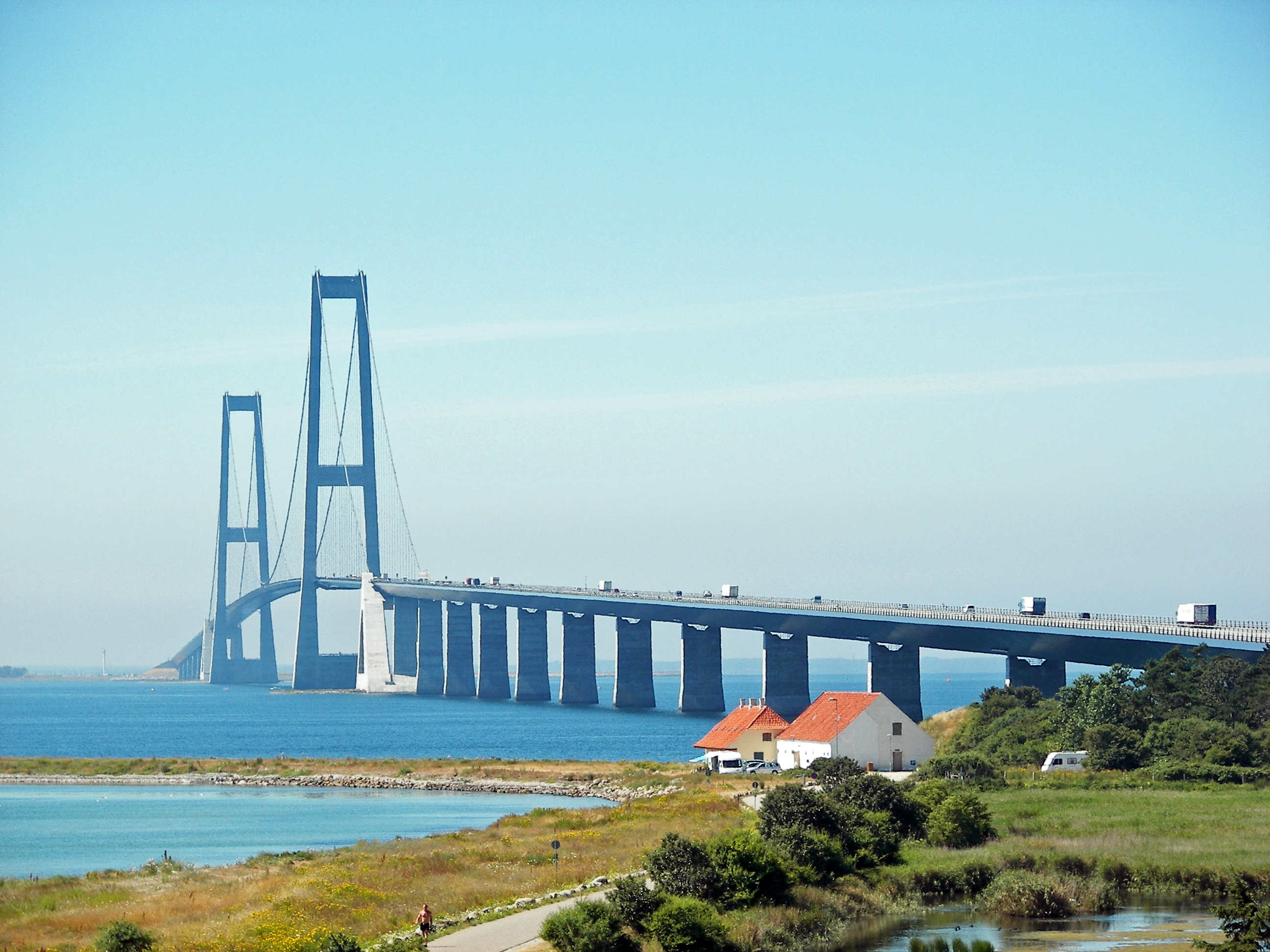
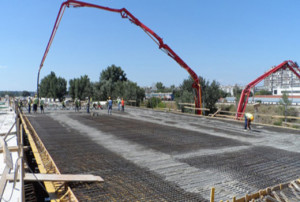
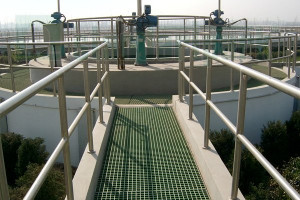 LIGHTWEIGHT BRIDGE DECKS CAN HAVE A RELATIVELY SHORT SERVICE LIFE, SOMETIMES AS SHORT AS 10 YEARS. TIMBER DECKING WILL ROT. STEEL DECKING RUSTS QUICKLY AND OFTEN DEVELOPS CRACKS DUE TO FATIGUE. OPEN STEEL GRATING ALSO ALLOWS WATER, DIRT, AND SALT TO GET ON THE PRIMARY STRUCTURAL MEMBERS AND CAUSE ADDITIONAL SERIOUS DETERIORATION. BRIDGE OWNERS HAVE EXPRESSED THE NEED FOR A LONG LASTING, CORROSION-RESISTANT, LIGHT-WEIGHT, SOLID SURFACE DECK FOR RAPID INSTALLATION. THIS TYPE OF DECK CAN ALLEVIATE WEIGHT RESTRICTIONS, SAVE HISTORIC BRIDGES THAT HAVE BEEN COMPROMISED OVER TIME, OR REPLACE LIGHTWEIGHT DECKS ON BRIDGES THAT WERE NOT DESIGNED TO SUPPORT A HEAVY CONCRETE DECK. ADVANCED COMPOSITE MATERIALS ARE COMMON IN AEROSPACE APPLICATIONS BUT ARE ALSO IDEAL FOR THESE SITUATIONS BECAUSE THEY HAVE A HIGH STRENGTH TO WEIGHT RATIO AND ARE RESISTANT TO CORROSION AND FATIGUE.
 COMPOSITE DECKING IS MODULAR SO IT CAN BE INSTALLED QUICKLY. DESPITE THE BENEFITS, THESE DECKS HAVE NOT BEEN ADOPTED ON A WIDESPREAD BASIS BECAUSE THE MATERIAL COST IS HIGH. THERE HAVE ALSO BEEN PROBLEMS WITH THE BOND OF THE WEARING SURFACE THAT RESULTED IN UNEXPECTED MAINTENANCE WHICH DISCOURAGED OWNERS. THE FEDERAL HIGHWAY ADMINISTRATION AWARDED A TECHNOLOGY PARTNERSHIPS GRANT TO BRIDGECOMPOSITES, LLC TO REFINE THE MATERIALS AND FABRICATION METHODS USED TO PRODUCE A COMPOSITE BRIDGE DECK DEVELOPED BY THE NEW YORK DEPARTMENT OF TRANSPORTATION. THE PROGRAM DEMONSTRATED THAT A HIGH QUALITY STRUCTURAL SECTION COULD BE PRODUCED AND BE COST COMPETITIVE WITH OTHER ALTERNATIVES. REFINED ANALYSIS AND TESTING LED TO THE DEVELOPMENT OF AN EFFICIENT TRAPEZOID-SHAPED SECTION THAT IS USED AS A BUILDING BLOCK FOR A PANELIZED DECKING SYSTEM.
 STAINLESS STEEL CONNECTIONS, FIELD JOINTS, RAILING, AND THE WEARING SURFACE ARE ALL IMPORTANT COMPONENTS OF THIS DECK THAT IS EXPECTED TO OUTLIVE THE LIFE OF THE BRIDGE ITSELF. THE TWO-COURSE WEARING SURFACE APPLICATION INSURES A GOOD BOND, SEALS AND PROTECTS THE SURFACE, AND GIVES SKID RESISTANCE FOR SAFE DRIVING. A BRIDGE RAIL CAN BE ATTACHED DIRECTLY TO THE DECK, BUT IS EQUALLY SUITED FOR USE ON TRUSSES THAT HAVE A RAILING MOUNTED ON THE STRUCTURE SEPARATE FROM THE DECK. COMPOSITE BRIDGE DECKING OFFERS A NUMBER OF BENEFITS. IT IS MODULAR SO IT CAN BE INSTALLED QUICKLY, THE SOLID SURFACE PROTECTS THE STRUCTURAL STEEL, AND IT PROVIDES A QUIET RIDE AND GOOD SKID RESISTANCE.
 The most exciting thing is engaging with these buildings, monuments in our hometown context and thinking about how they effect people politically.
 – In addition, we decided to interview people who engage with these structures every day. Most people kind of just went to the courthouse and didn’t notice this monument to the Confederacy next to it.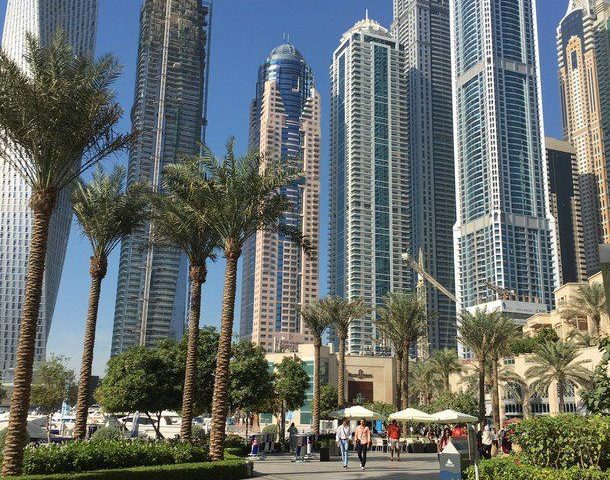
 We started this business in 1984. We are in the precast business, which means that we prepare precast
  We had to import machinery, we had to import cranes and we are importing raw materials like strands and structural steel. Many of these imports are from China. The client has a genuine trade flow between UAE and China on a regular basis. The value addition we provided was the opportunity for the client to move from the dollar-denominated transaction to an RMB, which will help them with cost. So, the RMB transaction will allow them to save at least a 5% to 7% margin on the currency fluctuation. At the beginning we thought, “Why?” We had been dealing with US dollars for the last 30 years and it was OK. I mean, it’s budgeted and everything and we thought, “Why?” But then we thought, “Why not?” When they explained to us the advantages, it looked OK. The local companies here need education.