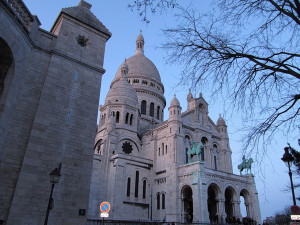
 The most exciting thing is engaging with these buildings, monuments in our hometown context and thinking about how they effect people politically.
– The name of our project is Power Structures: The Connotation of the Facade in State Architecture.
– Being in a PhD program, you’re very focused towards producing a piece of research. I wanted to kind of break through that and figure out how to engage with politics in a different way and particularly through art. We both went home to engage with these structures. We were thinking, “okay, take a photograph, “focus on your feet and then go up to the building.” She, being an artist, she was like, “okay, go do some rubbings.”
Which was, not an easy thing for me to kind of consider, you know, going up to a Confederate monument. Rashtrapati Bhavan is a huge space. It was a building that was used by the British, which is now used by the Indian government. The architecture actually creates a wall between us and the government whereas the government is trying to be here for the public, but the public has no access to it.
 – In addition, we decided to interview people who engage with these structures every day. Most people kind of just went to the courthouse and didn’t notice this monument to the Confederacy next to it.
– In India, they were like, “Oh we’re glad “you’re bringing this up because no one really speaks about state architecture in this way.”
– We want people to come to our exhibition and experience the monuments and the buildings as we would.
– We are working with the interviews that we got, where you actually cannot tell whether the people there are talking about the monument in Delhi, or the courthouse. I don’t know if I would have really gotten this deep into it if it wasn’t for this collaborative project. A lot of times in art, what happens is that we’re speaking about our own perspectives as artists, and as soon as you open it out, you get a diverse amount of ideas.
– Thinking about the interviews as a social science method of learning about people, and for me, though, getting to go up to them, take photographs, and do rubbings on these monuments is really fascinating for me to engage with these in an artistic manner. Art pushes you to… To act and think about what is my role as a citizen and what should happen. – This is pushing us to where it’s these spaces, where there are conversations that could be made fruitful to art own societies.
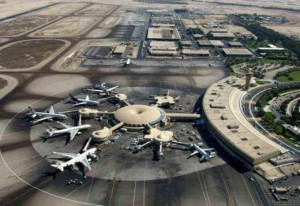 We started this business in 1984. We are in the precast business, which means that we prepare precast
 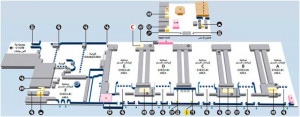 We had to import machinery, we had to import cranes and we are importing raw materials like strands and structural steel. Many of these imports are from China. The client has a genuine trade flow between UAE and China on a regular basis. The value addition we provided was the opportunity for the client to move from the dollar-denominated transaction to an RMB, which will help them with cost. So, the RMB transaction will allow them to save at least a 5% to 7% margin on the currency fluctuation. At the beginning we thought, “Why?” We had been dealing with US dollars for the last 30 years and it was OK. I mean, it’s budgeted and everything and we thought, “Why?” But then we thought, “Why not?” When they explained to us the advantages, it looked OK. The local companies here need education.